
Unit 2 - Your Emergency Plan
Quick-Start Steps
Learn About the Hazards in Your Area
Make a Household Communication Plan
Make an Emergency Plan
Sign Up for Emergency Alerts
Practice
Considerations
LEARN ABOUT THE HAZARDS IN YOUR AREA


Different disasters may require different actions. Some emergencies will require you to evacuate quickly, while others may require you to shelter in place for an extended period.
Would you need to evacuate quickly? If so, where would you go and how would you get there?
What would you grab if you only had 10 minutes to decide? How about 5 minutes? Or just 30 seconds?!
How will your family members know where to reunite with you?
Alternatively, if you plan to shelter in place, are you prepared to be self-sufficient for up to two weeks?
Take a moment to reflect on these questions — having a plan can make all the difference in an emergency.

SIGN UP FOR EMERGENCY ALERTS
The easiest way to know what is happening in your area is to sign up for emergency alerts. Here are different ways you can sign up: People and pets (food, water, hygiene, sanitation, clothing and comfort items).
Visit your County Emergency Management Website
Opt-In for Priority Alerts
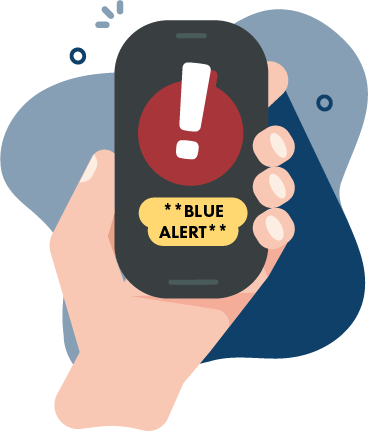
Enable ‘Wireless Emergency Alerts’ on your cell phone.
Portland ☞ Public Alerts
Oregon ☞ Oregon Alert
Other ☞ Google “Emergency Management Department [Location]”
Additional Alerts
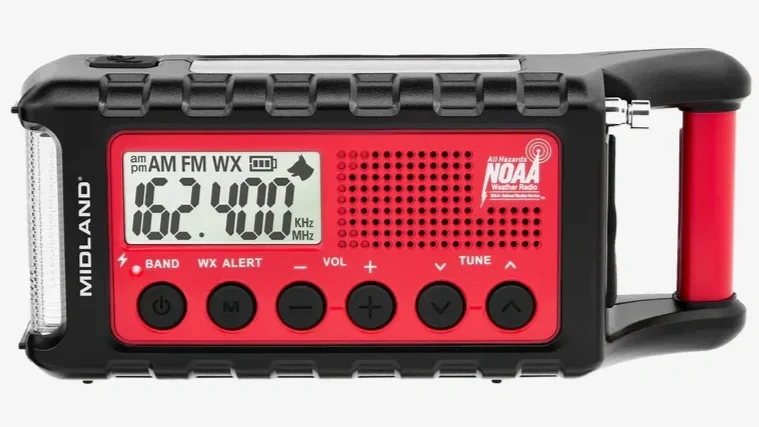
Purchase a NOAA crank radio
Download “MyShake” app (OR, WA, CA)
Social Media

MAKE A HOUSEHOLD COMMUNICATIONS PLAN
Talk to everyone in your household about what to do in an emergency. You may need to evacuate or shelter in place. Here are some important things to consider in your communication plan:
Out-of-area contact: Who can you connect with who isn’t impacted by the disaster?
Evacuation routes: Both out of your home and neighborhood.
Meeting place: Where will everyone meet after the disaster if not at home?
How to make contact if separated: What is the plan for reaching each other?
Share your plan: Let others, like family and out-of-state friends, know about your plan.
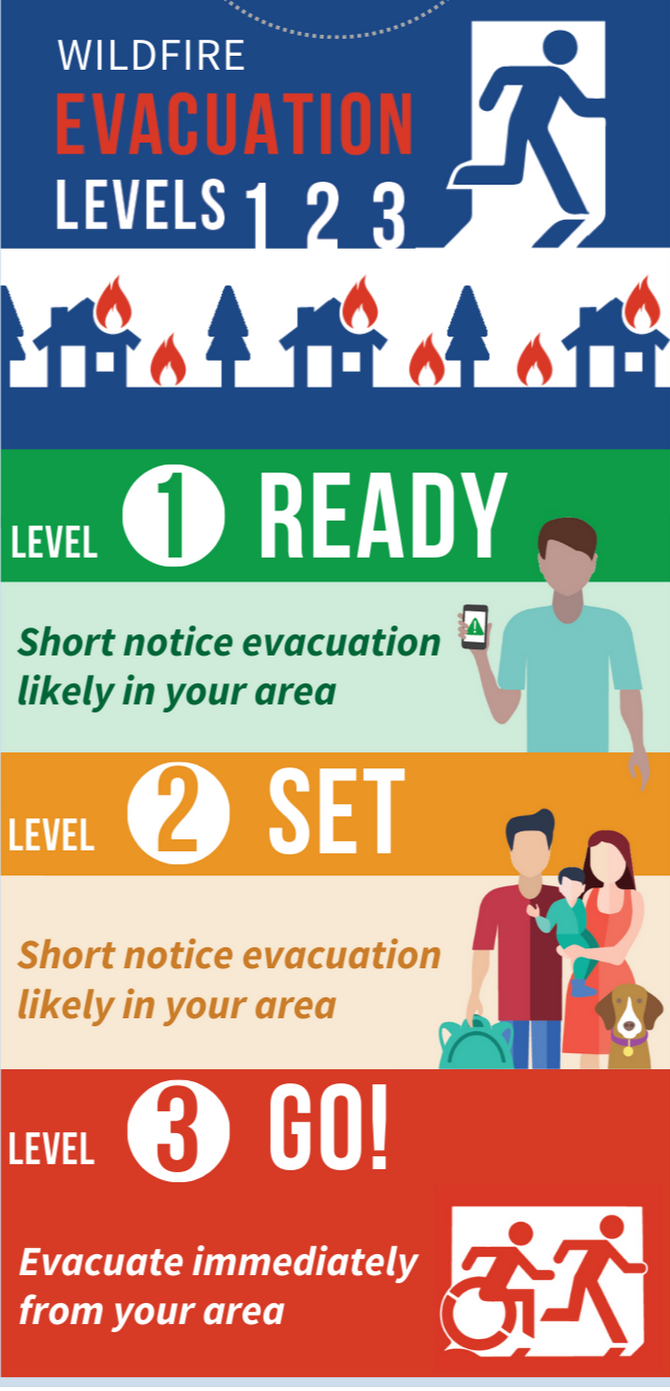
MAKE AN EMERGENCY PLAN
Creating your emergency plan is an important job that should involve everyone. Your plan needs to cover what to do if you need to leave or stay where you are.
In the event of an evacuation, you should have an emergency go-kit to take
with you. To remember what to put in your go-kit, think about the Six Ps:
People and pets (food, water, hygiene, sanitation, clothing and comfort items).
Prescriptions (medications, hearing aids, eyeglasses and medical devices).
Phones, personal computers, hard drives, disks and chargers.
Plastic* (ATM debit and credit cards) and cash.
Papers and important documents (photo ID, birth certificates, social security cards, passports, visas,
insurance policies, etc.).
Pictures and other irreplaceable memorabilia.
When sheltering in place, you need to have enough supplies for everyone in the household to survive for two weeks without electricity, running water and working toilets. In addition to the Six Ps, take these important steps when deciding what you need to survive:
Track what your household eats over two weeks, so you have an idea of how much food you’ll need.
Gather any emergency supplies you may already have, like flashlights, power banks or batteries. You probably have more than you think!
Specific steps on how to gather supplies will be covered more extensively in later sections of this toolkit.
*Purchasing Power

Practice & Considerations
Practice
Once you have a plan, practice it! This is the best way to know that your plan will work. It’s better to know which parts of your plan won’t work before a disaster happens. Here are some ways you can practice:
Walk through your emergency plan every few months to keep everyone’s memory fresh.
Take a Walk: Test the evacuation route out of your home or neighborhood.
Animals often sense danger before humans and may become agitated before an impending disaster. Practice getting your cat in its carrier or your dog on its leash while moving quickly.
Take part in the Great ShakeOut (www.shakeout.org), Great Camp-In drills, and National Preparedness Month (September) activities.
Considerations
Make sure to account for access and functional needs, such as equipment to help with mobility or CPAP machines that rely on electricity. Deaf, blind or hard-of-hearing individuals may also have specific needs.
Talk to your doctor about ways to stock up on extra doses of necessary prescribed medications.
To save space, scan all your important documents, such as birth certificates or photos, onto an external hard drive or USB drive.
Include other documents, such as a rental agreement, utility bills or letter of employment.
If your address or phone number changes, make sure to update your contact information
with your county for emergency alerts.
Sign up for alerts for areas you visit when away from home.