
Unit 3 - Food Plan
Complete Activities 10 & 12
Next level prep: Complete all 4 activities!
What You Will Need:
Your TOOL KIT - (Download here)
ACTIVITY 10: CREATE YOUR FOOD PLAN
Goal: Build preparedness by gathering and storing a two-week food supply.
EMERGENCY FOOD PREP SHOPPING TIPS
• Plan to store at least a one-week supply of non-perishable food.
• Choose healthy foods your household will eat!
• Remember special dietary needs.
• Avoid salty foods that will make you thirsty.
• Use disposable or inexpensive dinnerware and utensils that are easy to clean with minimal water (non-breakable is advised).
• Stock a non-electric can opener.
• Have household bleach to disinfect cans.
• Include paper towels, sponges, and old towels or rags.
• Stock a variety of alternative fuel sources to use when preparing food, such as gel fuel for camp stoves, charcoal for BBQs, propane for gas grills, or wood for fire pits or chimineas.
• Stock hot pads or oven mitts for hot item handling and heavy gloves to handle wood for campfires and dry ice.
• Consider food-grade moisture absorber packs for food storage.
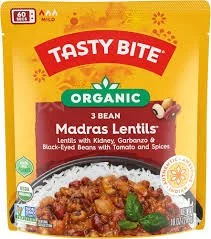
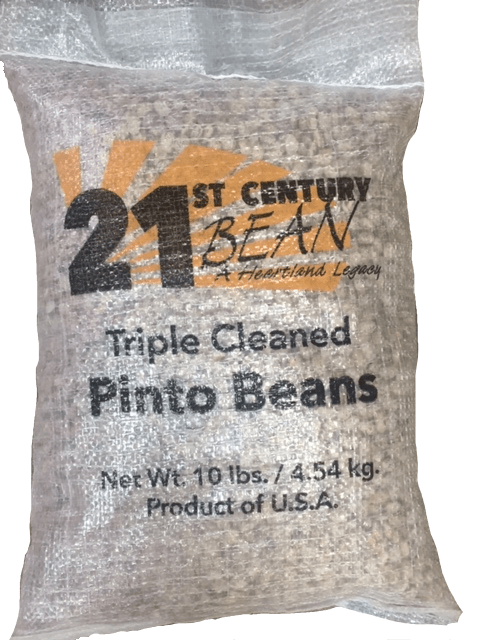

Why Beans & Rice?
Rice and beans are a classic, low-cost plant-based pairing that forms a complete protein, providing all nine essential amino acids necessary for human health. While beans are low in methionine and high in lysine, and rice is high in methionine but low in lysine, they compensate for each other, creating a high-quality protein source similar to animal products.
Key Details About Rice and Beans as a Complete Protein
Optimal Ratio: A common recommendation for a complete protein profile is a ratio of roughly 1 part rice to 2 parts beans, or a 50/50 mix.
Nutritional Value: Besides being a complete protein, this combination is high in fiber, low in fat, and rich in vitamins.
Not Necessary to Combine:
You do not need to consume them in the exact same meal. As long as you eat them throughout the day, your body will combine the amino acids.
Versatility: This pairing is a staple in many cultures (e.g., rice and beans, rice and lentils, rice and peas) and can be adapted into salads, soups, burritos, and more.
Examples of popular combinations include black beans and rice, lentils and rice, and red beans and rice. They are an excellent option for vegetarians, vegans, or anyone looking to diversify their protein intake. Lentils, in particular, are a great choice for preparedness since they do not require soaking and cook quickly, requiring less fuel than most other legumes.
Shelf-Stable freeze dried food

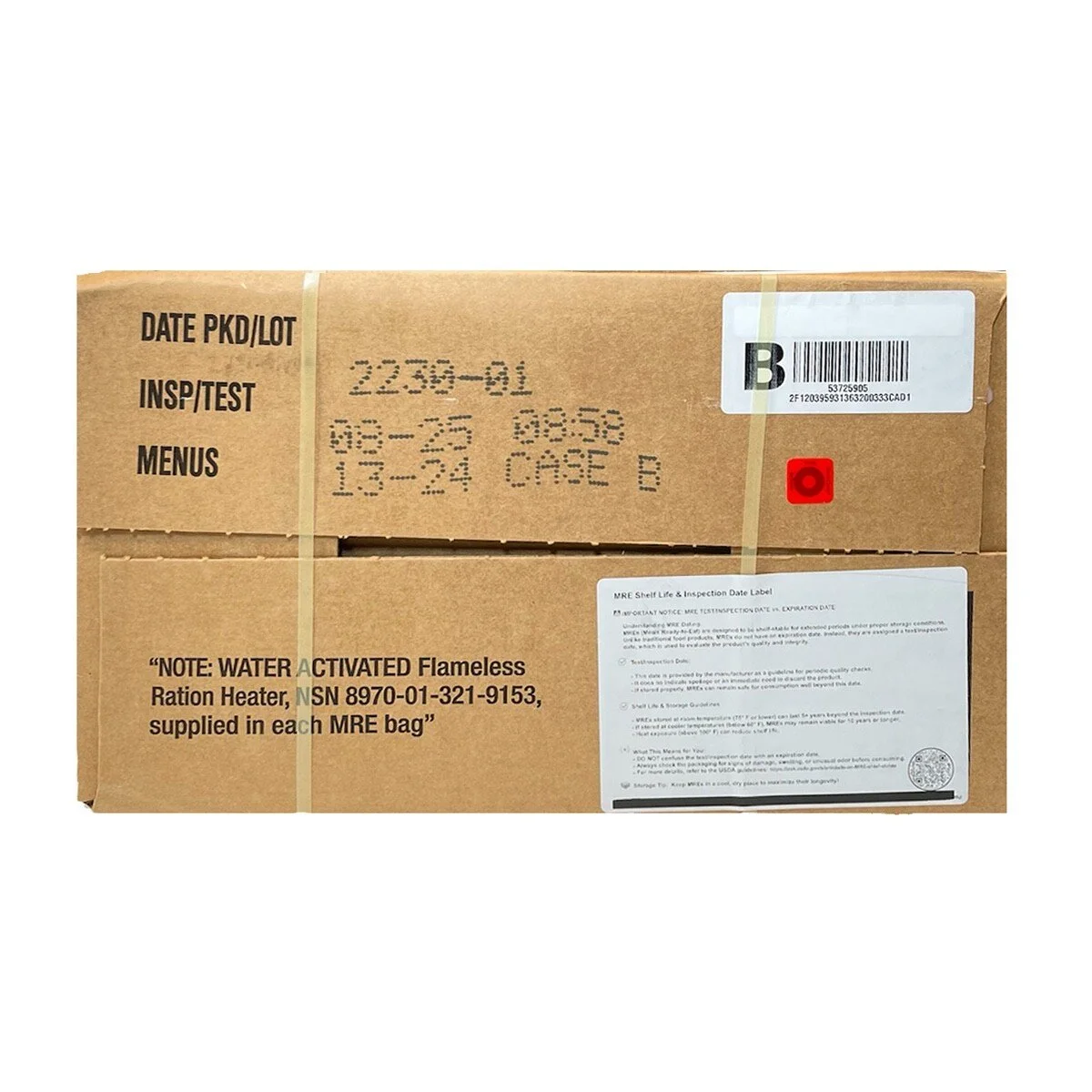
A Note on MREs
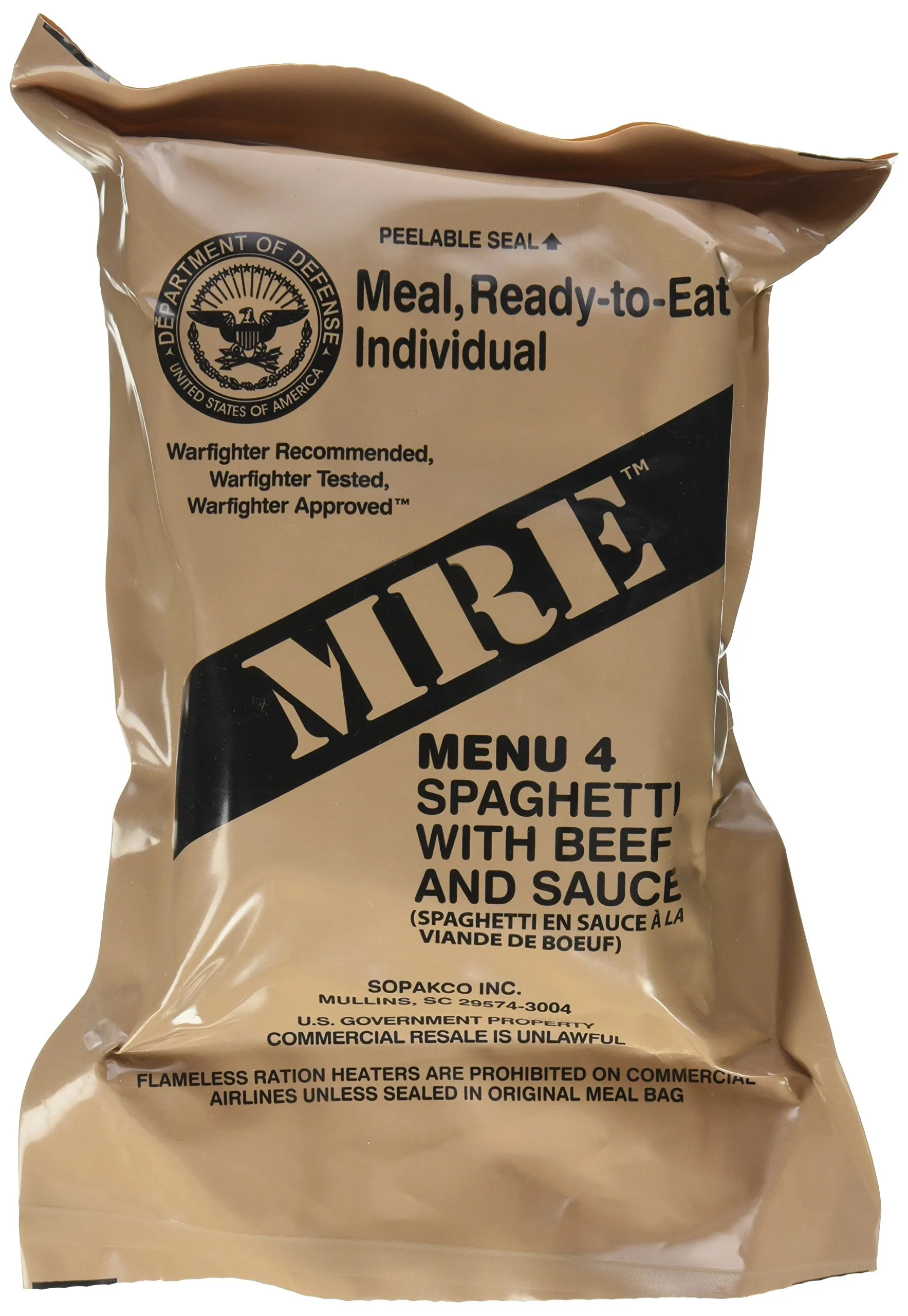
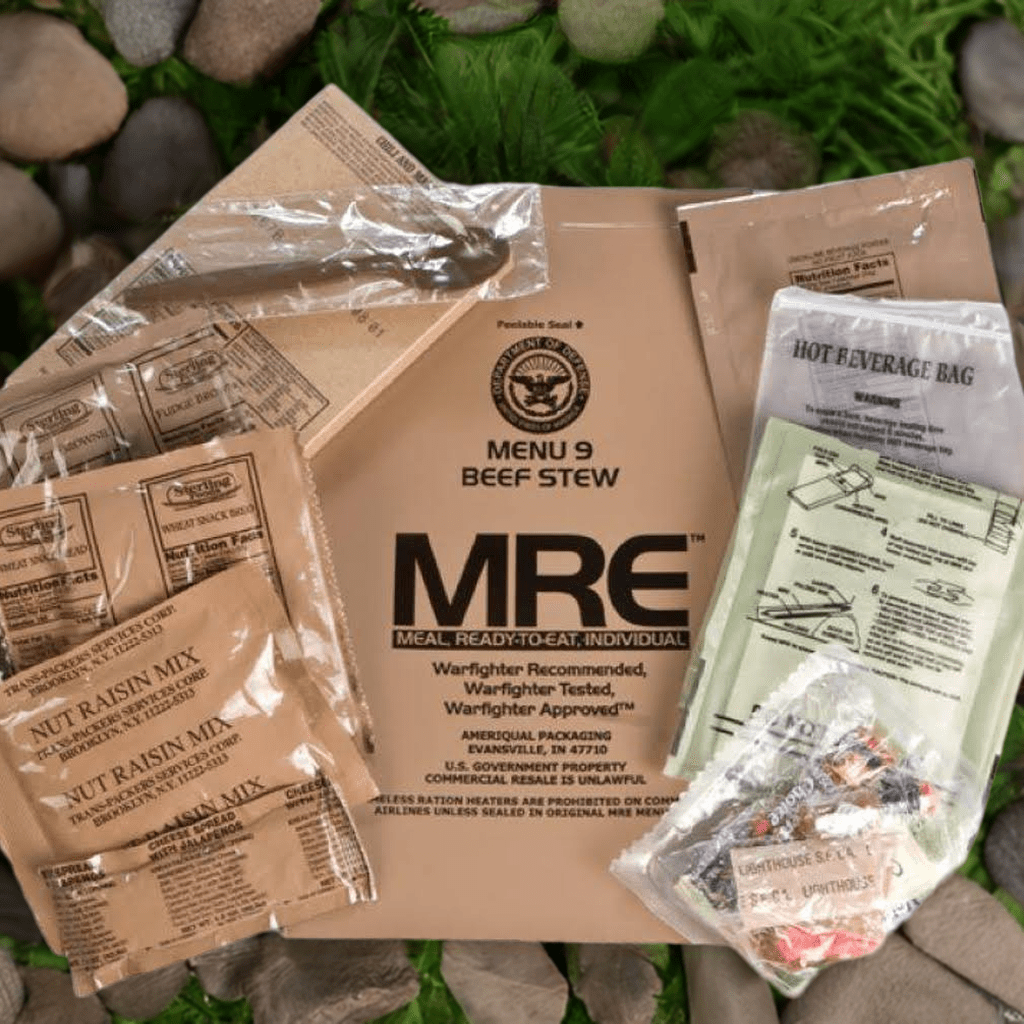
Meals Ready to Eat
Calorie-dense - 1,200 per meal on average
3-5 year shelf life
No Expiration Date on Package - Understand the 4-digit Julian Date code.



ACTIVITY 11: GROW YOUR OWN FOOD
Goal: Expand your options to access food.
INDOOR GARDENS
Food preparation without a fully stocked kitchen can be a challenge during
disasters. One of the easiest ways to spice up bland foods is to add fresh
herbs. Basil, parsley, thyme and oregano grow well indoors in Oregon and are easy to grow yourself. Start a garden in your kitchen or on a south-facing windowsill to make sure the herbs get enough sunlight. You can use existing
plastic, fiberglass, metal, basketry, rot-resistant wood, glazed pottery and glass containers for pots, as long as they have drainage holes. Pick up some already growing herbs at your local grocery or hardware store or grab some
packages of seeds and soil. You can also find seeds online. Choose plants that will mature quickly and stay compact, so they don’t outgrow their container. The best way to keep them compact is to use them!
PERSONAL OUTDOOR GARDENS
Foods including asparagus, broccoli, carrots, corn, lettuce, peas, potatoes and tomatoes grow really well in most areas of the Pacific Northwest. Consider growing beans in your garden and keep a bag of rice in storage. These two food items eaten together create an easy, quality source of protein. Check out OSU Extension’s Growing Your Own resource page at https://catalog.ex- tension.oregonstate.edu/em9027 for more ideas.
COMMUNITY GARDENS
Community gardens are a great way to grow healthy food you can share with others. They’re also a great way to meet new people and grow friendships, as well as crops. Families or individuals can rent space in a community garden and buy the seeds and plants, then tend to their plots with water and overall maintenance. Some gardens donate their harvests to local community food organizations, while others allow community members to freely pick the food being grown. Do an internet search to find a community garden near you or start one for you and your neighbors. The good news is you don’t have to be a gardening pro to get involved in a community garden! You can help by providing land, building sheds, or donating tools, seeds and plants.
ACTIVITY 12: ALTERNATIVE COOKING METHODS
Goal: Find new ways to cook without power.
While you’re building up your 2 Weeks Ready food supply, consider how you might cook indoors without traditional appliances that require power and how you might cook outdoors. Whatever alternative cooking methods you prefer, it’s best to have more than one in mind and stock the necessary fuel sources.
You’ll need fire-starting and suppression supplies:
• Weatherproof matches
• Butane lighters
• Flints
• Fire-suppressing foam
• Fire extinguisher
COOKING INDOORS WITHOUT ELECTRICITY OR GAS
When using fuel sources inside, always put your safety first and
remember to properly ventilate. Consider some of these alternative cooking sources during disasters:
Fondue pots: Use heating elements, such as candles, gel fuel and liquid fuel to heat the fondue pot.
Votive candles: Ensure the brand is suitable for use with fondue pots.
Tealight candles: These are better for warming than actual cooking,
because they do not get hot enough to cook things such as meat, but they will keep your food warm.
Sterno: Gelled alcohol substance that comes in
a small can. When ignited, Sterno can be used to heat fondue pots and camp stoves. You may need a few cans to cook food thoroughly.Wood-burning fireplaces: Food can be skewered (think marshmallows or meat), wrapped in foil, or placed in a heavy pot or cast-iron pan before setting it on the fire. Rotate the pot or pan to evenly distribute the heat.
Wood-burning stove: These burn wood inside a compartment surrounded by fireproof materials.
Food can be cooked on top of the stove (unless it’s a designated cook stove with a metal box oven for baking).Alcohol burners: These small metal burners are filled with alcohol, lit and placed under a portable folding stove. Alcohol burns clean, lights easily and stores indefinitely in a tightly sealed container. Two ounces of alcohol can burn for 10-15 minutes.
CAUTION: Only use an indoor fireplace or wood-burning stove if it’s been regularly cleaned and maintained. Otherwise, it can cause a fire, carbon monoxide poisoning, or both. Burning any fuel
in a low-oxygen environment, where windows are closed and there’s little or no ventilation, can result in the production of dangerous carbon monoxide. NEVER use camp stoves or other cooking sources meant for outdoor use only indoors. If that’s all you can use, go outside to do your cooking.
COOKING OUTDOORS FUEL SOURCES
Charcoal briquettes are engineered to be a convenient and consistent fuel source.
Butane is a highly flammable, colorless, easily liquidized gas that quickly vaporizes at room temperature.
All-natural wood pellets are made from a variety of trees to pair well with different meats.
Liquid propane tanks can be purchased at many different locations, including grocery and hardware stores.
Solar fuels technologies use sunlight, water, carbon dioxide and nitrogen from the air to produce fuels.
Wood is consistent, abundant and packs a lot of flavor.
COOKING INDOORS AFTER A DISASTER
Only cook indoors after a disaster IF you’re certain the fireplace and gas or electric stove are not damaged and if there are no gas leaks. If in doubt, cook outdoors. Do not use grills indoors (or in the garage) and only use camp stoves that use gel fuel in open, ventilated areas away from carpeting, draperies, bedding and anything that can catch on fire. Cooking outdoors is the safer option, even if you shelter indoors.
COOKING TIPS
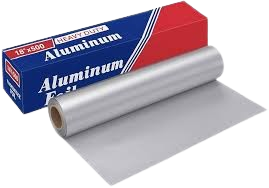
Aluminum foil is an excellent prep item as it has many practical uses for emergency cooking:
Can serve as an oven, broiler or frying pan.
Hobo foil packets (wrap food and place near coals)
Make a windscreen for a camp stove
Wrap leftovers
Clean surface for food prep
Use skewers to cook meat over a fire and get the heat evenly distributed on all sides. The skewers must be green, non-toxic wood, otherwise, they’ll burn up and drop the food. If using metal skewers, make sure they’re non-toxic; don’t use galvanized metal over a fire or in direct contact with food.
Keep potholders or dish towels in your kit.
Store disposable plates, bowls, cutlery, etc. to reduce cleanup and save water.
ACTIVITY 13: PIZZA BOX SOLAR OVEN COOKING
Goal: Try a fun new way to explore alternative
Try making your own solar oven using a pizza box, aluminum foil and plastic wrap! Solar ovens are a low-cost, ecologically friendly way to cook. In this activity from Scientific American, you’ll learn how to build a simple solar oven from a pizza box to gather the sun's rays and cook! Consider other similarly shaped boxes if you don’t have a pizza box. Watch the YouTube video at https://www.youtube.com/watch?v=nhgNh3BdMsc.